
Social Media Strategies For Small Businesses
Introduction
Social media is a powerful asset for small businesses looking to communicate with their audience and spread their brand. The perfect strategies help businesses with minimum resources connect with their target market, drive traffic, and build a loyal community. In this blog, we will go through practSocial media has become a powerful tool for small businesses to connect with their audience, increase brand awareness, and drive business growth. With the right strategies, even businesses with limited resources can effectively reach their target market, engage potential customers, and build a loyal online community. From choosing the right platforms to creating valuable content and measuring performance, a well-planned social media approach can deliver significant results. In this blog, we will explore practical social media strategies specifically designed for small businesses to help them succeed in today’s digital landscape.
1. Find the Right Channels
Do not use all social channels for your business. Instead, focus on the platforms where your target audience is most active. Choosing the right channels allows you to maximize your efforts and achieve better engagement and results.
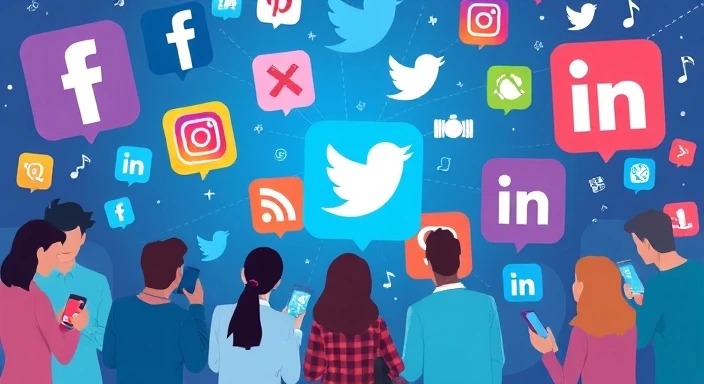
- Facebook: You can use Facebook to develop communities and events. Moreover, you can use Facebook groups for discussion and engagement creation.
- Instagram: Instagram is ideal for visually driven brands. Use stories, reels, and high-quality images to showcase your products or services and connect with your audience.
- Twitter (X): This platform is excellent for real-time engagement and customer service. Use it to share updates, answer inquiries, and participate in relevant conversations.
- LinkedIn: Best suited for B2B businesses. Share industry insights, company news, and professional content while building valuable business connections.
By concentrating on the platforms that best match your audience and business goals, you can create more effective social media marketing campaigns and improve your overall online presence.
2. Content Creation
Content is king, and the best way to attract the audience is through engaging posts. Here are some ideas:

- Behind the Scenes: Give a glimpse behind the curtains of your regular operations, team members creating products, and so on as it gives a human perspective
- User-Generated Content: As much as possible, provide a platform to the customers in order to make them talk about their own experiences and tag it to your business. Always repost content to build some sort of community and a level of trust.
- Tips and Tutorials: Give more useful information related to a specific industry. For example, if you are working with a bakery, you have to give the baking tips and recipes.
- Polls and Questions: Use interactive content to engage with the audience. Use polls or questions to gather opinions or feedback.
3. Hashtags and Trends
When using hashtags, you open yourself to a much more significant audience. Research all the trending hashtags within the industry that you’re communicating in and apply them across your posts. Join along with trending topics or challenges where your brand can be appropriately applied to jump on some of the broader conversations out there. Using relevant hashtags and participating in popular trends can increase your content’s visibility, improve engagement, and help attract users who are interested in your niche or industry.
4. Community Engagement
You want a community for your brand. This means that you will “interact” with your followers through meaningful and consistent engagement. Building a strong community helps create trust, encourages customer loyalty, and increases brand awareness.
- Respond to comments and messages promptly to show that you value your audience.
- Host live Q&A sessions to connect with followers in real time and address their questions directly.
- Create contests, giveaways, or challenges that encourage participation, sharing, and user-generated content.
Active engagement helps strengthen relationships with your audience, increase brand loyalty, and turn followers into long-term customers and advocates for your business.
5. Partner with Influencers
Discover and reach local influencers or micro-influencers that can help reach your desired business target. Promotion in those channels can help you reach a variety of new customers at different credibility levels. Influencers can introduce your brand to a wider audience through authentic recommendations, reviews, and social media content. Partnering with the right influencers can increase brand awareness, build trust, and help attract potential customers who are genuinely interested in your products or services.
6. Measuring the Success
Analyze your performance to know whether your social media strategies are effective or not. Regularly tracking key metrics helps you understand what is working, identify areas for improvement, and make data-driven decisions to achieve better results.

- Engagement Rate: Likes, comments, shares, and saves measure how well your audience is interacting with your content.
- Reach and Impressions: This tracks how many people see your posts and how often they appear.
- Website Traffic: Tools such as Google Analytics will give you an idea of how much social media drives traffic to your website.
By monitoring these metrics consistently, you can refine your strategy, improve audience engagement, and maximize your social media marketing efforts. such as Google Analytics will give you an idea of how much social media drives traffic to your website.
Conclusion
Social media success for small businesses is not just about gaining more followers; it is about building meaningful relationships and achieving real business results. By choosing the right platforms, creating valuable content, engaging with your audience, leveraging trends, partnering with influencers, and measuring performance, you can develop a strong online presence that supports long-term growth. Start implementing these strategies today and turn your social media channels into powerful tools for connecting with customers and growing your business in the digital landscape.
Looking for more digital marketing tips and insights? Visit my blog for the latest updates and strategies: Digital Marketing Blogs & Articles
Great Article
Thank you so much! I’m glad you enjoyed the article. Let me know if there’s any topic you’d like to see covered next!
Pingback: Role of Content Marketing in Brand Building -
Pingback: Inbound & Outbound Marketing - Choosing the Right Strategy
Pingback: How Freelance Digital Marketer Help Businesses Thrive online
Interesting take on balancing creativity & efficiency! Seeing tools like the AI Video Generator really shift how quickly content can be made – especially on mobile. It’s a game changer for fast turnaround projects!